
Common Conditions & Treatments

Common Conditions & Treatments

Crowding

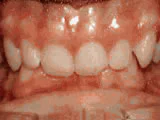
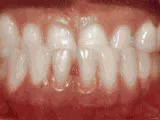
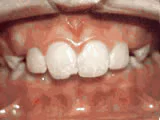
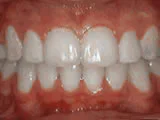
Dental crowding is likely the most common condition treated in Orthodontics. It’s simply an imbalance between tooth size and space available in your mouth. Mild and moderate crowding can be corrected with braces or clear aligners easily, and severe crowding can involve extractions of teeth to create space if necessary.
Open Bite

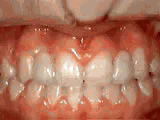
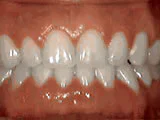
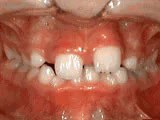
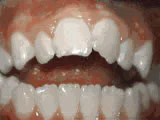
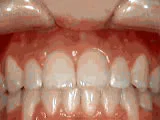
In many cases, open bites are caused by habits such as thumb sucking or strong tongue pressure on the back of the top teeth. An appliance can be used to treat an open bite, along with braces. It is best to treat this condition at a young age.

Deep Bite

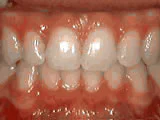
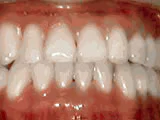
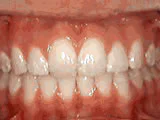
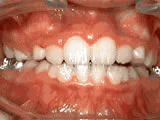
A deep bite is when the top teeth almost completely cover the bottom teeth when biting down. This condition is extremely common and can be treated with various tools such as braces or clear aligners, and is often supplemented with the use of rubber bands.

Missing Teeth

Some people require orthodontics because they are born without the proper number of teeth. Treatment can be done to either close the spaces of missing teeth, optimize the space for restorations by the dentist such as dental implants or bridges, or a combination of both. In fact, 2.2% of the world’s population is born without a tooth they are supposed to have!

Underbite

When the bottom jaw and teeth are further forward than the bottom teeth. This is usually a family trait and is treated best when the patient is middle school aged. Treating an underbite often requires the assistance of an oral surgeon in adults.

Spacing of Teeth

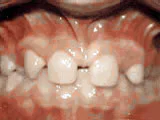
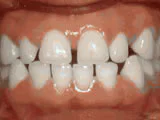
Gaps between teeth is a common issue we treat, and much like crowding is an imbalance in the size of the teeth and the space available for them to fit. Treatment options vary and braces or Invisalign can usually be used to correct this issue.

Overbite

When the top jaw and teeth are further forward than the bottom jaw and teeth. Typically protrusion or flaring of the front teeth is a common cause. It is best to start treating a patient with an overbite around age 12-14, or the onset of puberty, for the most effective outcome.

Impacted Teeth

When a tooth that is supposed to be in the mouth is stuck elsewhere. Our team is very experienced in treating patients with impacted teeth. We often enlist the assistance of an oral surgeon to perform a procedure where we work together to slowly and gently pull an impacted tooth into proper placement.

Questions About Common Conditions & Treatments

What dental issues can orthodontics treat?

Orthodontics can treat crowding, spacing, overbites, underbites, crossbites, and misaligned jaws.

What happens if orthodontic issues are left untreated?

Untreated alignment problems can lead to tooth wear, gum disease, jaw pain, and difficulty cleaning teeth.

What is crowding?

Crowding occurs when there isn’t enough space in the jaw for teeth to align properly.

What is an overbite or underbite?

An overbite is when the upper teeth overlap the lower teeth too much, while an underbite is when the lower teeth extend forward.

Can orthodontic treatment improve facial appearance?

Yes, correcting bite and alignment issues can improve facial balance and overall appearance.

Our patients'
smiles say it best

Over 500 5-star reviews!
View All Testimonials

Schedule your appointment today and experience the difference!