
It is challenging for many parents to choose the right age to get braces for their kids, especially when they consider the importance of timing in the success of orthodontic treatment for children. The ideal time for orthodontic care for kids depends on factors such as growth phases, dental development, and how quickly an orthodontist can address any issues.
In this article, we will discuss early orthodontic care and the right time to get orthodontic treatment to help you decide when to book your first appointment with an orthodontist for kids and teens.
Why Early Evaluation is Key?
When kids should get braces is a concern many parents face, and the solution often depends on the child’s orthodontic needs. As a general guideline, an early orthodontic evaluation should be scheduled by age 7.
The American Association of Orthodontists (AAO) suggests that children must schedule their first orthodontic consultation at this time. At this age, the kids’ adult teeth have started to grow, allowing orthodontists to notice any major problems with jaw growth, tooth alignment, or bite.
You need to start early orthodontic care for your kids because it may help you to avoid more serious dental problems in the future. Furthermore, it helps prevent the need for more complex and costly treatment in the future. This is particularly true if preventive orthodontics is necessary to guide jaw growth or correct alignment issues before the full eruption of adult teeth.
What Is the Best Age to Get Braces?
The best age to get braces for kids is between 9 and 14. In this age, many kids are in growth phases, during which their teeth and jaws continue to grow. This offers orthodontists an outstanding opportunity to promote healthy jaw growth and tooth alignment. Furthermore, if you start treatment during these years, you can ensure that your child’s permanent teeth have fully developed and make it much easier for your child to achieve the desired smile.
In reality, braces for kids must be very effective during the teen years, when much of the jaw’s development is complete, but the teeth remain slightly movable. Also, many teens start becoming more concerned about their appearance at this time, which may make wearing braces less of a bother and more acceptable.
However, parents need to keep in mind that some kids might not want braces until they are older. If your child has an issue that appears later in their oral growth, their timing for braces may be pushed back until they are 15 or 16 years old. In this situation, an orthodontist may suggest early intervention orthodontics to prevent any future dental issues.
Early Intervention: What Is It, and When Is It Needed?
A specific type of treatment, early intervention orthodontics, aims to address certain oral conditions before they worsen. This technique is perfect for kids, especially those aged 6 to 10. The main purpose of early orthodontic care is to address dental problems related to jaw growth, tooth alignment, and bite issues as soon as they are noticed.
Suppose your kids have crossbite issues (where some of their teeth are misaligned). In that case, early orthodontics is the best option for you because it helps your child align their teeth and jaw into better positions, which can help prevent more serious problems in the future.
Similarly, early orthodontic evaluation may be helpful for kids with extra teeth or bite issues. It also allows the orthodontist to notice any problems before they affect the patient’s basic dental health.
But many kids do not need to get early orthodontics. Based on the child’s skeletal and dental development, your orthodontist will determine whether early intervention is warranted. But in many cases, the best course of action may be to wait until your child has most of his or her adult teeth in place.
The Role of the Orthodontist for Kids and Teens
You need to find the best orthodontist for kids and teens if you want to ensure the success of your child’s treatment. Our pediatric orthodontist can treat the unique dental needs of growing children and teens. Because they understand the unique developmental changes that occur during these years, they may offer suggestions tailored to the child’s growth phase.
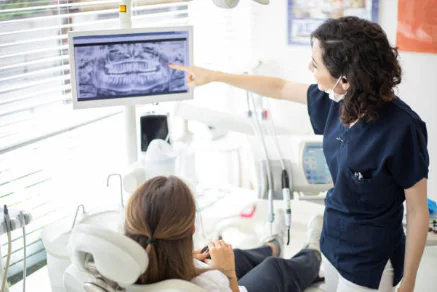
During the first orthodontic assessment, the orthodontist must look for early dental issues, including crowding, uneven teeth, or bite problems. If needed, the orthodontist may take pictures, x-rays, or molds of your child’s teeth for a better understanding of your child’s dental growth. A treatment plan tailored to your child’s specific needs can be developed using these diagnostic tools.
Factors That Influence the Best Time for Orthodontic Treatment
Here are the many different factors to determine the best time for orthodontic treatment.
- Dental Development: The timing of braces can vary according to the rate at which your child’s adult teeth grow.
- Severity of the Problem: If your child has severe chewing or alignment issues, to avoid long-term problems, treatment may need to start earlier.
- Growth Phase: The growth phase is important because a child’s teeth and jaws may shift more easily when their bones are still growing.
Normally, early intervention is better for more serious dental issues, but tiny misalignments might not need to be fixed until later in a child’s development.
Benefits of Early Treatment and Waiting
The decision of whether to begin orthodontic treatment early or wait depends on the child’s specific needs. There are benefits to both early treatment and waiting for the ideal age for braces:
Early Treatment:
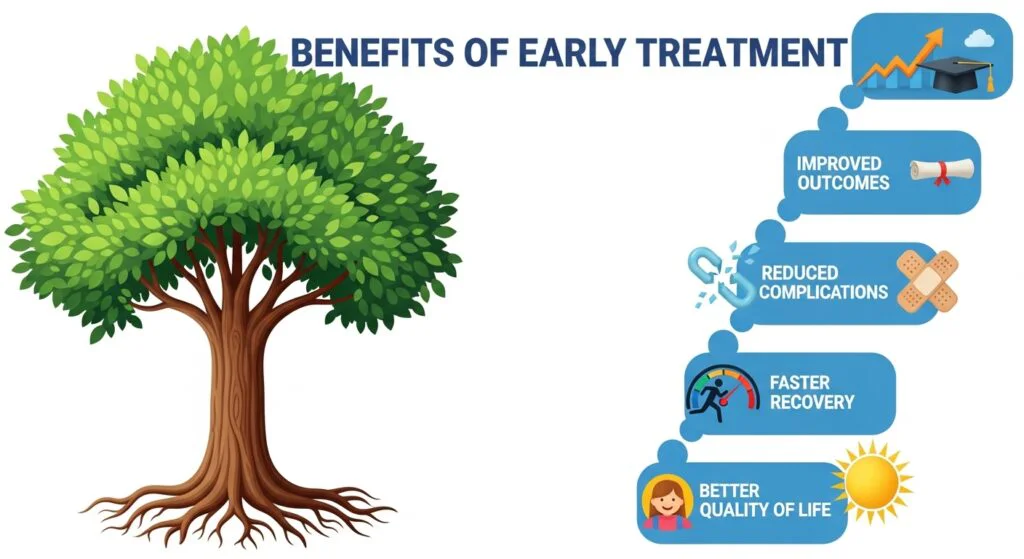
- Prevents future problems: Early orthodontic care may help prevent the need for more extensive treatment later.
- Improves jaw alignment: Early intervention may help guide jaw growth, leading to better tooth alignment.
- Less time with braces later: In certain situations, if treatment is started early, braces can be used for a shorter duration of time.
Waiting:
- Cost-effective: Treatment may be less costly if it is delayed until the teenage years, when the teeth can slowly straighten.
- More precise treatment: By delaying treatment until most of the adult teeth have erupted, the orthodontist can achieve a more accurate and beneficial result.
Why Choose Northeast Orthodontics for Orthodontic Treatment?
You can choose Northeast Orthodontics for the best age to start orthodontic treatment, which means choosing expert care with a personal touch. Led by Dr. Reynolds, the team provides a friendly, comfortable environment where your needs are a top priority.
They use advanced technologies, like Invisalign clear aligners and custom 3D-printed LightForce braces, to create the perfect smile for you. With a conveniently located office in Seminole, scheduling your FREE consultation is easy and stress-free.
Conclusion
In the final phase, each child has a unique perfect age for braces. It’s a wonderful idea to book an orthodontic consultation around age 7 so the orthodontist can detect potential issues early. If your child is in their growth phase, it’s the best time for you to address serious concerns, such as jaw alignment and bite issues.
Remember, starting early orthodontic care can make a massive difference in the long run. It can help prevent future issues and reduce the need for more extensive treatment later. If your child is ready for braces, or if you’re unsure whether it’s the right time, it’s always best to consult with a qualified orthodontist.
Book your FREE consultation with Northeast Orthodontics today to find out more about the ideal time for orthodontic treatment and to get your child started on the path to a gorgeous smile.


